

DEPARTMENT OF HUMAN ANATOMY, OPERATIVE SURGERY AND TOPOGRAPHIC ANATOMY
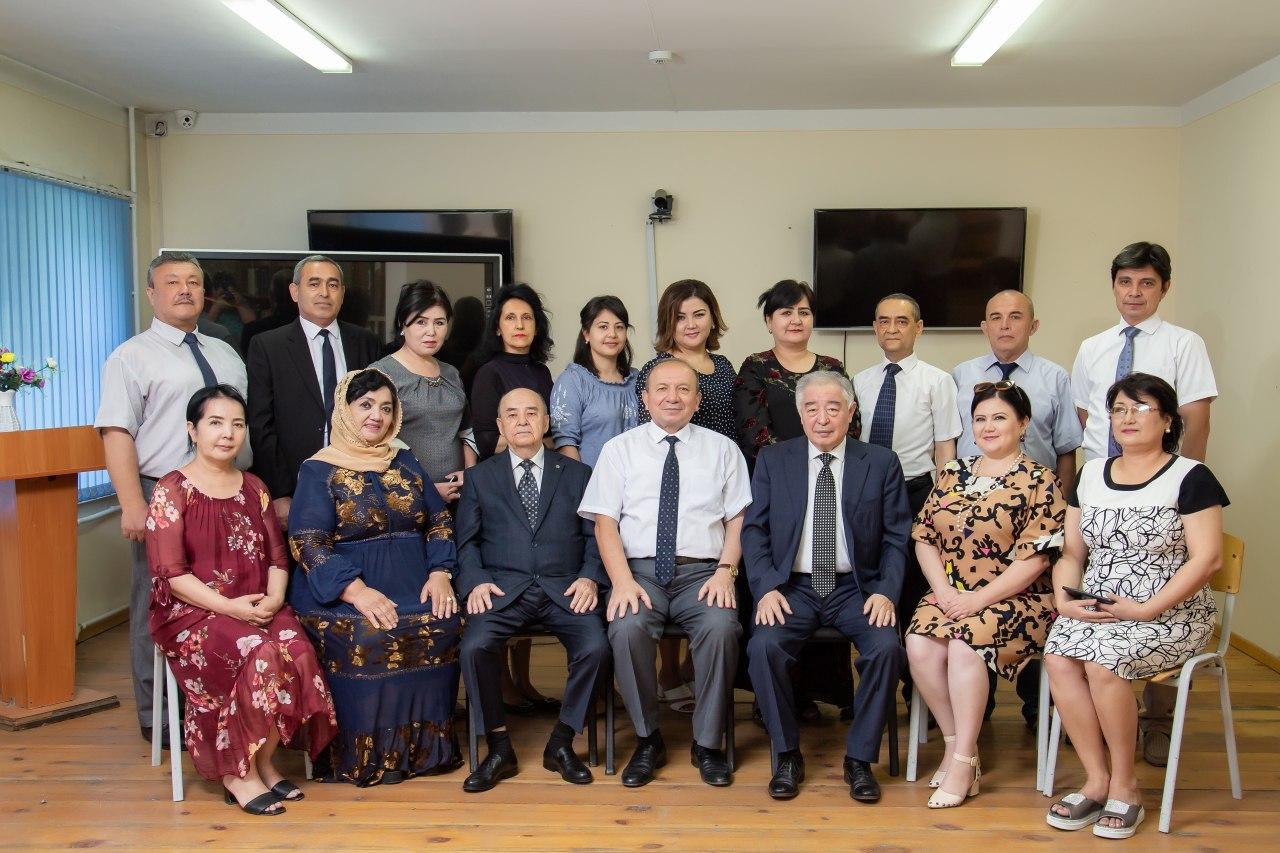
The Department of Human Anatomy, Operative Surgery, and Topographic Anatomy at Tashkent State Medical University serves not only as a center for fundamental medical sciences but also as a key platform for developing the clinical thinking of future physicians. The department is part of the Faculty of Management, Medical Biology, Biomedical Engineering, and Higher Nursing.
The department currently employs 57 academic staff members. Its facilities are located on the 5th floor of the main university building, the 1st floor of the third academic building, and the 2nd floor of the morphological building situated within the dental faculty campus.
| Scientific and Creative Activities: Opportunities for Students |
|
In order to bridge the gap between theoretical knowledge, practice, and science, the following clubs operate regularly at the department: Our talented students, as members of the “Student Scientific Society” (SSS), conduct research under the guidance of the department’s professors and teaching staff, consistently securing prestigious awards at national and international conferences.
|
| Collaborative Relations: |
| The activities of our department are not limited to the university alone. We have established close cooperation with medical colleges and lyceums in Tashkent and various regions of our republic. These “mentor-apprentice” traditions serve to ensure the continuity and integration of medical education.
|
| Scientific Capacity of the Department: |
|
The department brings together a strong academic team, including: – Professors: 5 The overall scientific capacity of the department is estimated at 42%. The faculty includes 5 Doctors of Science (DSc) and 15 PhD holders, reflecting a high level of academic and research excellence. The extensive experience of senior scholars, combined with the energy and dedication of younger faculty members, serves as a key driver of the department’s continued development.
|